Tokyo, Japan
Where vending machines outnumber people and anime is a lifestyle
Timezone
JST (UTC+9)
Language
Japanese
Currency
JPY (¥)
Best Time
Spring/Fall
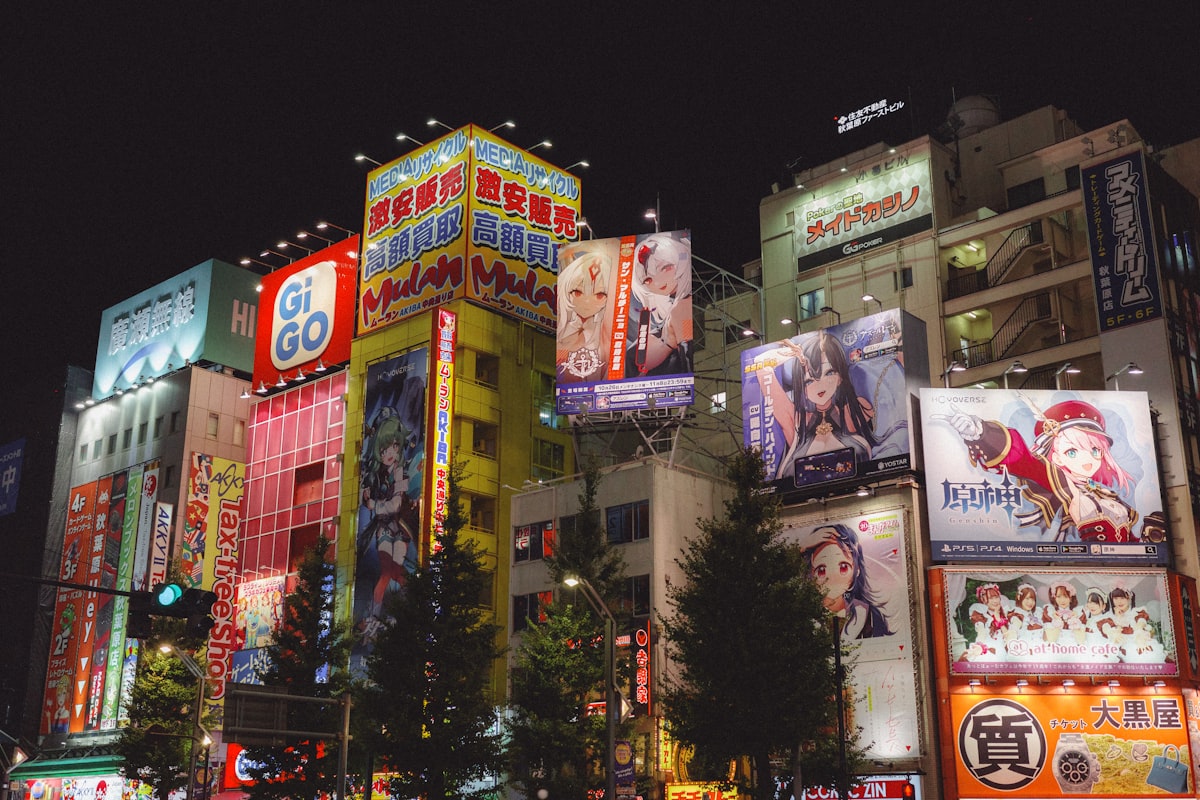
Tokyo is the final boss of nerd destinations. This sprawling metropolis of 14 million people is where anime culture was born, where gaming reached its peak evolution, and where technology from the future somehow exists in the present. Walking through Akihabara feels like stepping into a cyberpunk novel, with eight-story buildings dedicated entirely to anime merchandise, retro game shops selling sealed Famicom cartridges for more than your rent, and maid cafes where the staff greet you like you're royalty.
But Tokyo is more than just Akihabara. Nakano Broadway houses vintage anime treasures in a labyrinthine shopping complex that feels like a dungeon crawl for collectors. Ikebukuro's Otome Road caters to female otaku with butler cafes and BL manga shops. Shibuya has the official Pokemon Center where limited edition plushies cause stampedes. And scattered throughout the city are thousands of arcades, each one a temple to gaming culture with rhythm games, fighting games, and UFO catchers that will drain your wallet faster than a gacha game.
The city operates on a level of efficiency that makes other countries look like they're stuck in the Stone Age. Trains run on time to the second. Vending machines sell everything from hot coffee to umbrellas. Convenience stores are actually convenient, with fresh food, clean bathrooms, and ATMs that work with foreign cards. You can survive entirely on 7-Eleven onigiri and Lawson fried chicken if you want. Many travelers do.
Tokyo is expensive, crowded, and overwhelming. Your suitcase will be overweight on the way home because you bought too many figures. You'll get lost in the subway system at least once. You'll accidentally order something you can't identify at a restaurant. And you'll love every second of it. This is the city where your inner otaku can run free, where cosplay is normal, and where spending six hours in a manga cafe is considered a valid use of time. Welcome to Tokyo. Your wallet is about to cry.
Why Visit Tokyo
Akihabara Electric TownRead Guide →
The legendary anime and electronics district. Eight floors of anime merchandise in stores like Mandarake and Animate. Retro game shops selling everything from Game Boy games to vintage arcade cabinets. Maid cafes where the staff perform songs and magic tricks. This is ground zero for otaku culture, and you need at least two full days to scratch the surface.
Studio Ghibli MuseumRead Guide →
Hayao Miyazaki's masterpiece museum in Mitaka. The building itself is a work of art, with stained glass windows, spiral staircases, and a rooftop garden featuring a life-size Laputa robot. Inside, you'll find original animation cells, a mini theater showing exclusive short films, and exhibits explaining the animation process. Tickets sell out months in advance, so book early or prepare for disappointment.
Arcade CultureRead Guide →
Tokyo has more arcades than any other city on Earth. Taito Station and GiGO (formerly Sega) locations are everywhere, each one five or more floors of gaming heaven. Rhythm games like Beatmania and DDR, fighting games with competitive players, UFO catchers with prizes you actually want, and photo booths that make you look like an anime character. Arcades are open until midnight or later, and the skill level of local players will humble you.
Pokemon Center Mega TokyoRead Guide →
The largest Pokemon Center in the world, located in Ikebukuro's Sunshine City. Three floors of official Pokemon merchandise, including regional exclusives you can't get anywhere else. Limited edition plushies drop regularly and sell out within hours. The cafe serves Pokemon-themed food and drinks. Yes, you'll spend too much money. No, you won't regret it.
Nakano BroadwayRead Blog Guide →
A four-story shopping complex that's less touristy than Akihabara but equally dangerous for your wallet. Mandarake has multiple locations here selling vintage anime goods, rare manga, and collectibles from the 80s and 90s. You'll find things you didn't know existed and definitely don't need but absolutely must have. Budget at least three hours and bring cash.
teamLab BorderlessRead Guide →
A digital art museum that looks like you stepped into a cyberpunk anime. Interactive installations respond to your movement, creating unique experiences every time. The Crystal World room is Instagram gold. The Forest of Lamps changes colors as you walk through. It's trippy, beautiful, and proof that Japan is living in 3024 while the rest of us are stuck in 2024.
Manga Cafes (Manga Kissa)Read Guide →
Rent a private booth with unlimited manga, soft drinks, and internet access. Some locations have showers and offer overnight stays. This is where budget travelers sleep and manga addicts lose entire days. The selection is massive, with thousands of volumes in Japanese and some in English. It's socially acceptable to spend 12 hours here. Many people do.
2-Day Anime Pilgrimage Itinerary
Maximize your time in the world's otaku capital with this focused, step-by-step itinerary.
Day 1: Ground Zero of Otaku Culture
- ✓Morning (9:30 AM): Arrive early at **Akihabara**. Browse the multi-story **Radio Kaikan** as stores open.
- ✓Afternoon (1:30 PM): Search for vintage consoles at **Super Potato**, and grab lunch at a local curry spot or themed cafe.
- ✓Evening (6:00 PM): Visit the tech corridors of **Yodobashi Camera Akiba**, then snap photos under the glowing neon bridges.
Day 2: Vintage Collections & Flagship Centers
- ✓Morning (10:30 AM): Catch the Chuo Line west to Nakano and explore the retro maze of **Nakano Broadway**.
- ✓Afternoon (2:30 PM): Head to Shibuya. Browse the **Nintendo Tokyo** and **Pokemon Center Shibuya** inside Shibuya Parco.
- ✓Evening (7:00 PM): Finish with dinner at a themed gaming cafe or join locals for yakitori in Omoide Yokocho.
Tokyo Otaku Shopping & Sightseeing Scorecard
| District | Geek Rating | Primary Focus | Must-Visit Shop |
|---|---|---|---|
| Akihabara | ★★★★★ | New figures, retro consoles, trading cards | Radio Kaikan & Super Potato |
| Nakano Broadway | ★★★★☆ | Vintage goods, rare collectibles, retro manga | Mandarake micro-shops |
| Ikebukuro | ★★★★☆ | Female-oriented media, cosplay, otome merchandise | Animate Mega Store & K-Books |
| Shibuya / Harajuku | ★★★☆☆ | Mainstream gaming flagships, fashion merch | Nintendo Tokyo & Mugiwara Store |
Best Time to Visit
Spring (March-May)
Cherry blossom season brings millions of tourists, but it's worth the crowds. Temperatures are mild (10-20°C), perfect for walking around all day. AnimeJapan convention happens in March. Golden Week (late April-early May) is a national holiday when everything is crowded and expensive. Book hotels months in advance if visiting during this period.
Summer (June-August)
Hot and humid (25-35°C) with occasional typhoons. Comiket happens twice a year in August and December, attracting 500,000+ attendees. If you're not going to Comiket, avoid this period. The humidity will destroy you. Air conditioning is everywhere, but walking between locations is brutal. Bring a towel and accept that you'll sweat through your shirt.
Fall (September-November)
The best time to visit. Comfortable temperatures (15-25°C), lower humidity, and beautiful fall foliage. Tokyo Game Show happens in September. Halloween in Shibuya is chaos with thousands of cosplayers. Hotels are cheaper than spring, and the weather is perfect for outdoor activities. This is peak travel season for a reason.
Winter (December-February)
Cold but rarely snowy in Tokyo (0-10°C). Winter Comiket in December is the largest event of the year. New Year's is a major holiday when many shops close for several days. January and February are the cheapest months for flights and hotels. Illuminations and winter festivals make the city magical. Pack warm clothes and enjoy the off-season deals.
Getting Around
Tokyo's train and subway network is the largest and most efficient in the world. Carrying a Suica or Pasmo IC card on your phone or in your wallet is mandatory for seamless gate tapping.
| Transit Line | Best For | Payment Method | Pro Tip |
|---|---|---|---|
| JR Yamanote Line | Circling Tokyo's major hubs (Shinjuku, Shibuya, Akihabara) | Suica / Pasmo / IC Card | It is a circular above-ground loop line. Easy to navigate; if you miss a stop, you can just wait for it to circle back. |
| Tokyo Metro & Toei Subways | Reaching specific neighborhoods and inner districts | Suica / Pasmo / Tourist Subway Pass | Google Maps shows exact platform numbers and train car positions for fast transfers. |
| Taxis | Late-night travel after trains close (12:00 AM) | IC Card, Credit Card, Cash | Japanese taxi doors open and close automatically. Do not pull or push them yourself! |
Trains stop running around midnight. If you miss the last train, you can easily wait in an all-night manga cafe or join locals for late-night food.
Local Geek Culture
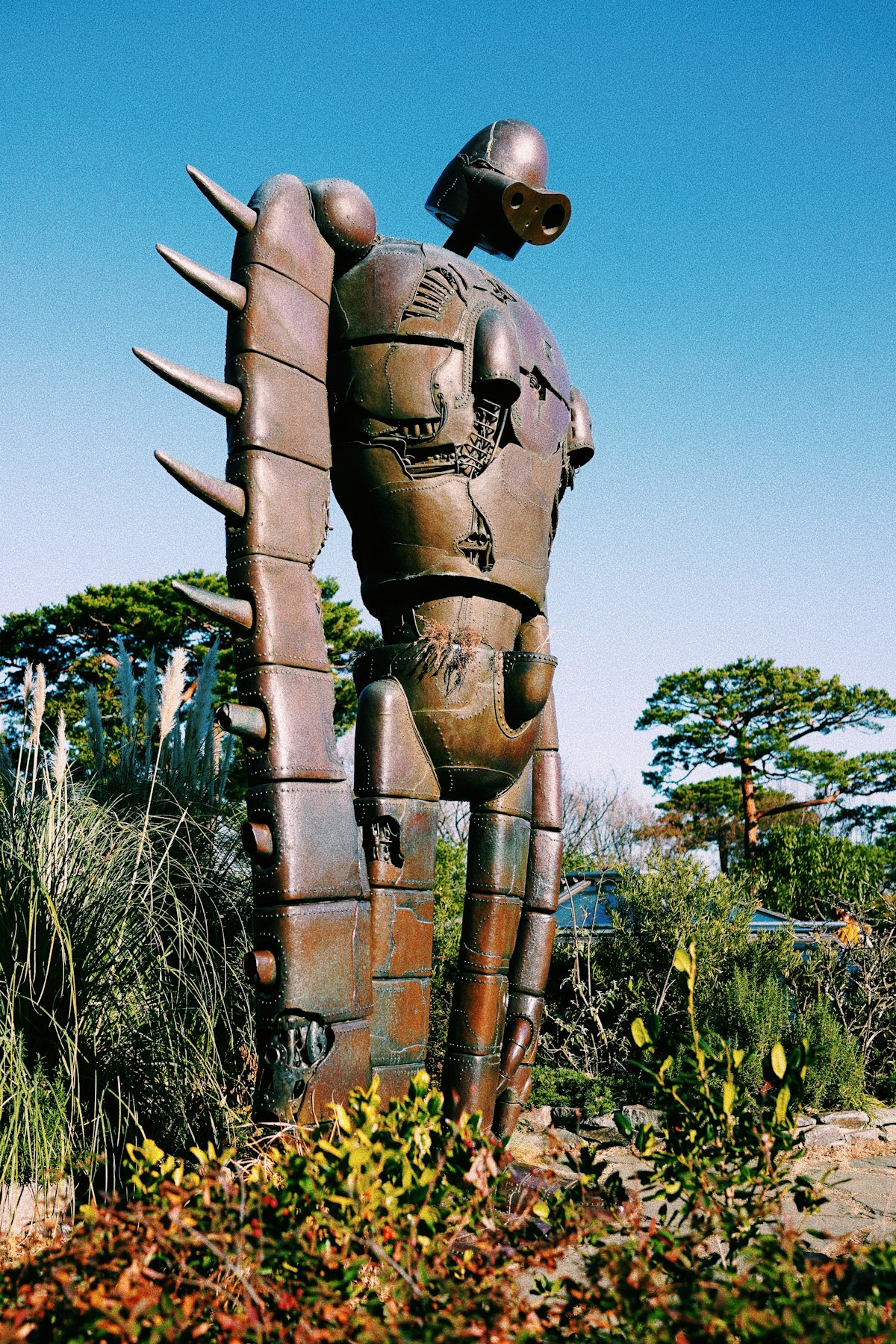
The Studio Ghibli Museum — a dream come true for every anime fan
Anime Shops
Animate, Gamers, and Toranoana are the big chains with locations across the city. Each one is multiple floors of anime merchandise, manga, light novels, and doujinshi. Mandarake specializes in vintage and rare items. Lashinbang buys and sells used goods. K-Books focuses on female-oriented content. You could spend weeks exploring and still not see everything.
Gaming Cafes
Not as prevalent as in Korea, but they exist. Akihabara has several with high-end PCs and console setups. Hourly rates are reasonable. Some offer all-you-can-drink soft drinks. It's a good place to escape the heat and catch up on gaming. Just don't expect Korean-level PC bang culture.
Themed Cafes
Maid cafes in Akihabara are the most famous, but there are also butler cafes, cat cafes, owl cafes, and character cafes themed around specific anime. The experience is awkward if you're not used to it, but that's part of the charm. Expect to pay for the experience, not the food quality. Photos usually cost extra.
Conventions
Comiket (August and December) is the world's largest doujinshi fair with 500,000+ attendees. AnimeJapan (March) showcases upcoming anime and merchandise. Tokyo Game Show (September) is for video games. Tickets sell out fast. Lines are legendary. Bring cash, comfortable shoes, and patience.
Retro Gaming
Super Potato in Akihabara is the most famous retro game shop, but there are dozens of others. Prices are high for rare items, but you'll find things that don't exist anywhere else. Sealed Famicom games, vintage arcade cabinets, and limited edition consoles. Bring a lot of money or just window shop and cry.
Food & Dining
Tokyo has more Michelin stars than any other city, but you don't need to spend a fortune to eat well. Convenience stores (7-Eleven, Lawson, FamilyMart) have surprisingly good food. Onigiri, fried chicken, and bento boxes are cheap and fresh. Many travelers survive on konbini food alone.
Ramen shops are everywhere. Ichiran is the most famous chain with solo booths for introverts. You order from a vending machine, customize your ramen on a form, and eat in peace. Ippudo and Afuri are also excellent. A bowl costs 800-1200 yen. Slurping is encouraged and expected.
Izakayas are Japanese pubs serving small plates and alcohol. Perfect for trying multiple dishes. Yakitori (grilled chicken skewers) is a must. Karaage (fried chicken) is addictive. Edamame and gyoza are standard. Expect to spend 2000-3000 yen per person with drinks.
Character cafes serve themed food and drinks. The Pokemon Cafe requires reservations months in advance. Gundam Cafe in Akihabara is walk-in friendly. Square Enix Cafe has Final Fantasy and Dragon Quest themes. Food is overpriced and mediocre, but the experience is worth it once.
Vending machines sell hot and cold drinks everywhere. Boss Coffee and Georgia Coffee are the most common brands. Hot canned coffee is a revelation in winter. Pocari Sweat and Calpis are popular soft drinks. Vending machines also sell alcohol, but only until 11 PM in most areas.
Safety & Practical Info
Tokyo is one of the safest cities in the world. You can walk alone at night without worry. Crime is extremely low. People leave their phones on tables in cafes. Wallets left on trains are usually returned. This doesn't mean you should be careless, but you can relax more than in most major cities.
Cash is still king in Japan. Many small shops and restaurants don't accept cards. ATMs at 7-Eleven and post offices work with foreign cards. Withdraw cash regularly. Expect to spend 5000-10000 yen per day on food, transport, and shopping.
Learn basic Japanese phrases. "Sumimasen" (excuse me), "Arigatou gozaimasu" (thank you), and "Eigo ga hanasemasu ka?" (do you speak English?) will get you far. Most young people know some English, but don't expect fluency. Google Translate's camera feature is a lifesaver for menus and signs.
Tipping is not expected and can be considered rude. Service charges are included in prices. Just pay the bill and leave. Restaurant staff may chase you down if you try to tip, thinking you forgot your change.
Trash cans are rare in public. Carry your trash until you find one, usually near vending machines or convenience stores. Recycling is taken seriously. Separate your trash into burnable, non-burnable, plastic, and cans. Convenience stores have clearly labeled bins.
Hidden Gems
Jimbocho Book Town
A district with over 100 used bookstores. Many specialize in manga, light novels, and art books. Prices are better than Akihabara. Less touristy, more authentic. Perfect for collectors hunting rare volumes.
Kanda Myojin Shrine
Featured in Love Live! and other anime. Sells anime-themed ema (wooden prayer plaques) and omamori (charms). The shrine blesses electronics and technology. Akihabara locals visit before buying new gadgets.
Nakano Sun Mall
The covered shopping street leading to Nakano Broadway. Cheaper food and drinks than central Tokyo. Local shops selling everyday items. A glimpse of non-touristy Tokyo before you dive into the otaku paradise.
Yodobashi Camera Akiba
Nine floors of electronics, cameras, games, and toys. Tax-free shopping for tourists. Better prices than smaller shops. The retro game section is dangerous for your wallet. Bring your passport for tax-free purchases.
Omoide Yokocho
Tiny alley near Shinjuku Station with dozens of yakitori stalls. Cramped, smoky, and authentic. Locals drink and eat after work. Cheap food, strong drinks, and an atmosphere you won't find in guidebooks.
Nearby Day Trips
Ghibli Museum (Mitaka)
30 minutes from Shinjuku by train. Book tickets 3 months in advance through authorized sellers. The museum doesn't allow photos inside, so just enjoy the experience. The gift shop will tempt you with exclusive merchandise.
Kamakura
1 hour south of Tokyo. Famous for the Great Buddha statue and Slam Dunk's Kamakurakōkō-mae Station. The coastal town has temples, shrines, and hiking trails. A nice break from Tokyo's urban chaos.
Nikko
2 hours north of Tokyo. UNESCO World Heritage shrines and temples. Beautiful nature and hiking. Less relevant for anime fans but worth visiting if you want a break from otaku culture.
Yokohama
30 minutes south of Tokyo. Visit Pokemon Center Yokohama, Chinatown for amazing food, and the Cup Noodles Museum. A solid day trip with multiple geek attractions.
Mount Fuji
2-3 hours from Tokyo. Climbing season is July-September. If you're not climbing, visit the Fuji Five Lakes area for views. Hakone is closer and offers hot springs with Fuji views on clear days.
Super Nintendo World (Universal Studios Japan, Osaka)
2.5 hours west of Tokyo via the Shinkansen (bullet train). A must-visit gaming paradise featuring Yoshi's Adventure, Mario Kart: Koopa's Challenge, and the brand-new Donkey Kong Country expansion with the Mine-Cart Madness coaster. Perfect as a day-trip or a multi-day side quest.
Related Blog Guides & Tips
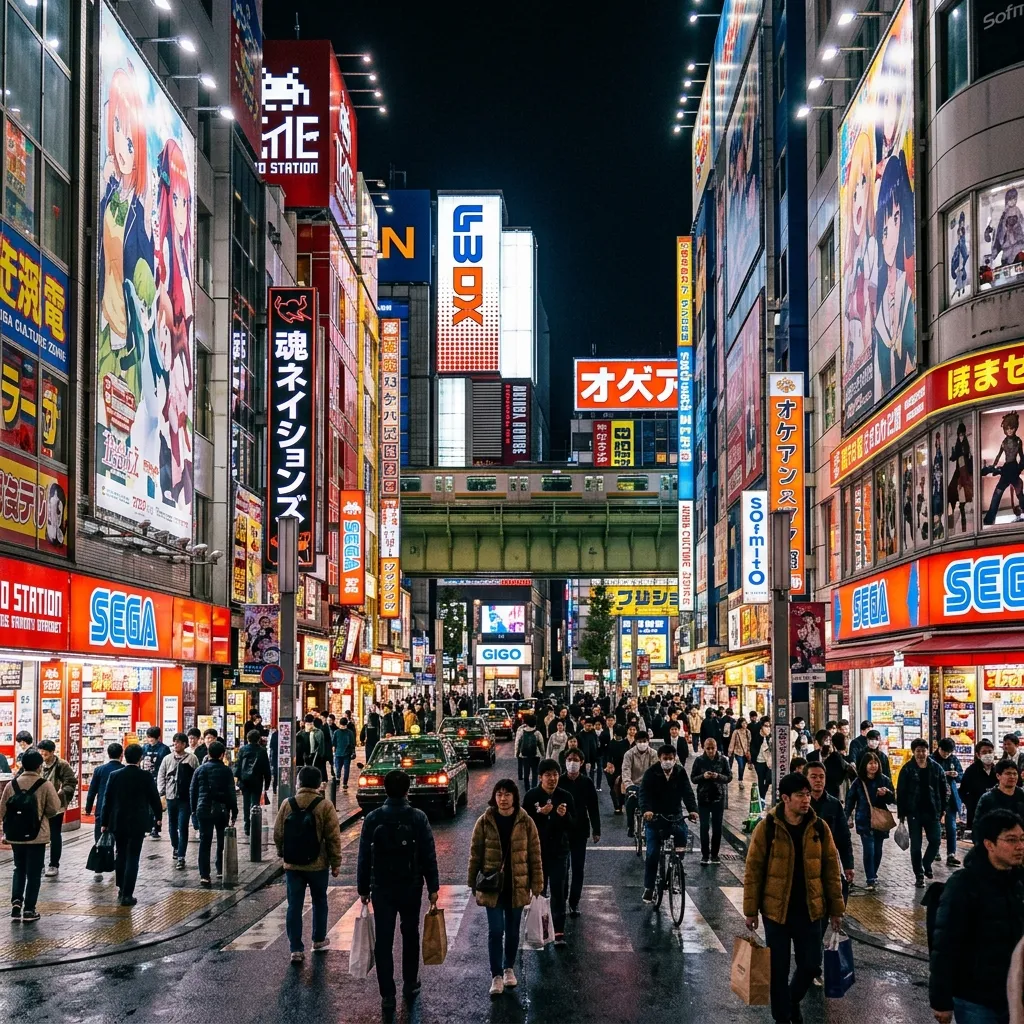
Tokyo Anime Pilgrimage: A First-Timer's Complete Guide
Your complete guide to Tokyo's anime culture. Discover Akihabara, the Ghibli Museum, anime cafes, themed restaurants, and real-world anime locations.
.jpg)
5 Unique Geeky Hotels for Your Next Nerd Adventure
From a Godzilla-themed tower in Tokyo to a high-end gaming hotel in Taiwan, discover the world's most epic accommodations for geeks and gamers.
5 Legendary RPG and Board Game Shops Every Hobbyist Should Visit
From the narrow streets of London to the neon towers of Akihabara, discover the world's most iconic tabletop gaming sanctuaries.
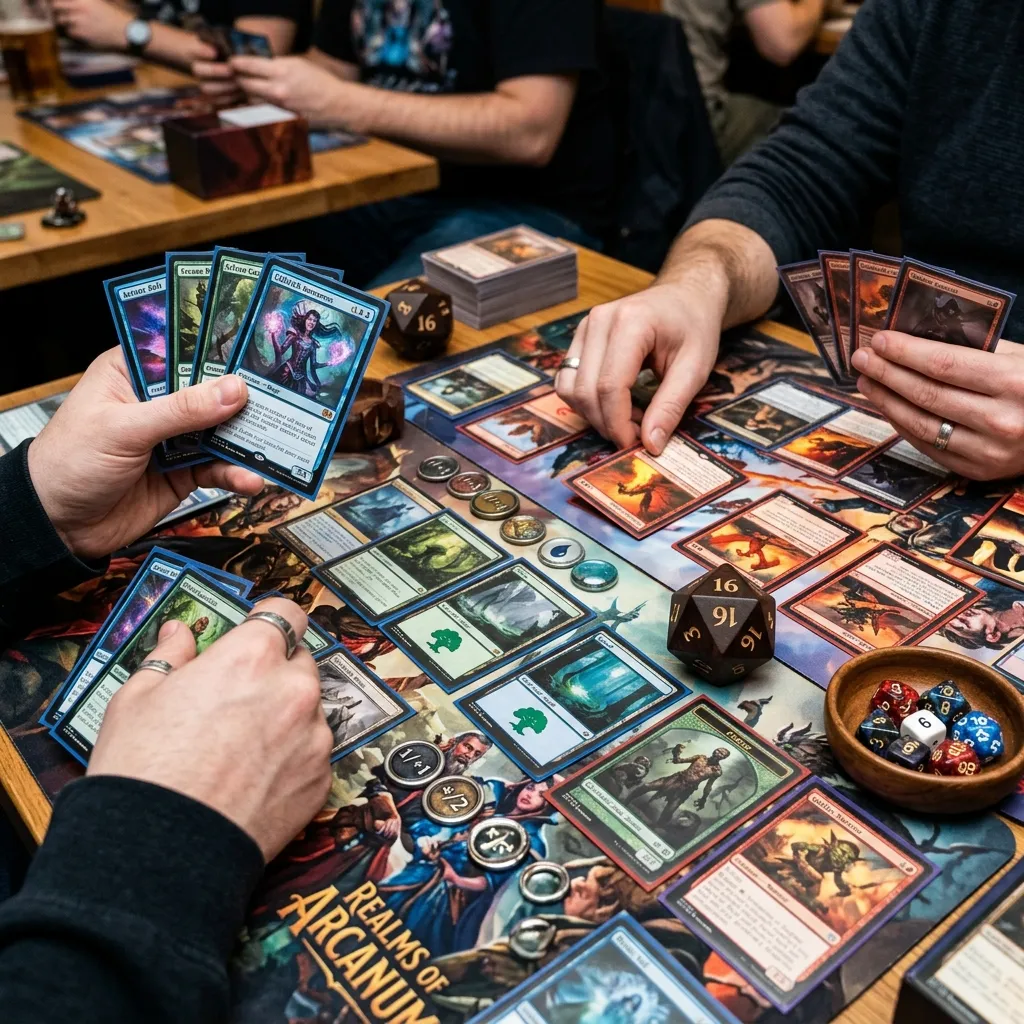
MTG Event Calendar 2026: MagicCons and World Championships
From the neon lights of Las Vegas to the scenic canals of Amsterdam, here is your guide to the biggest Magic: The Gathering festivals in 2026.
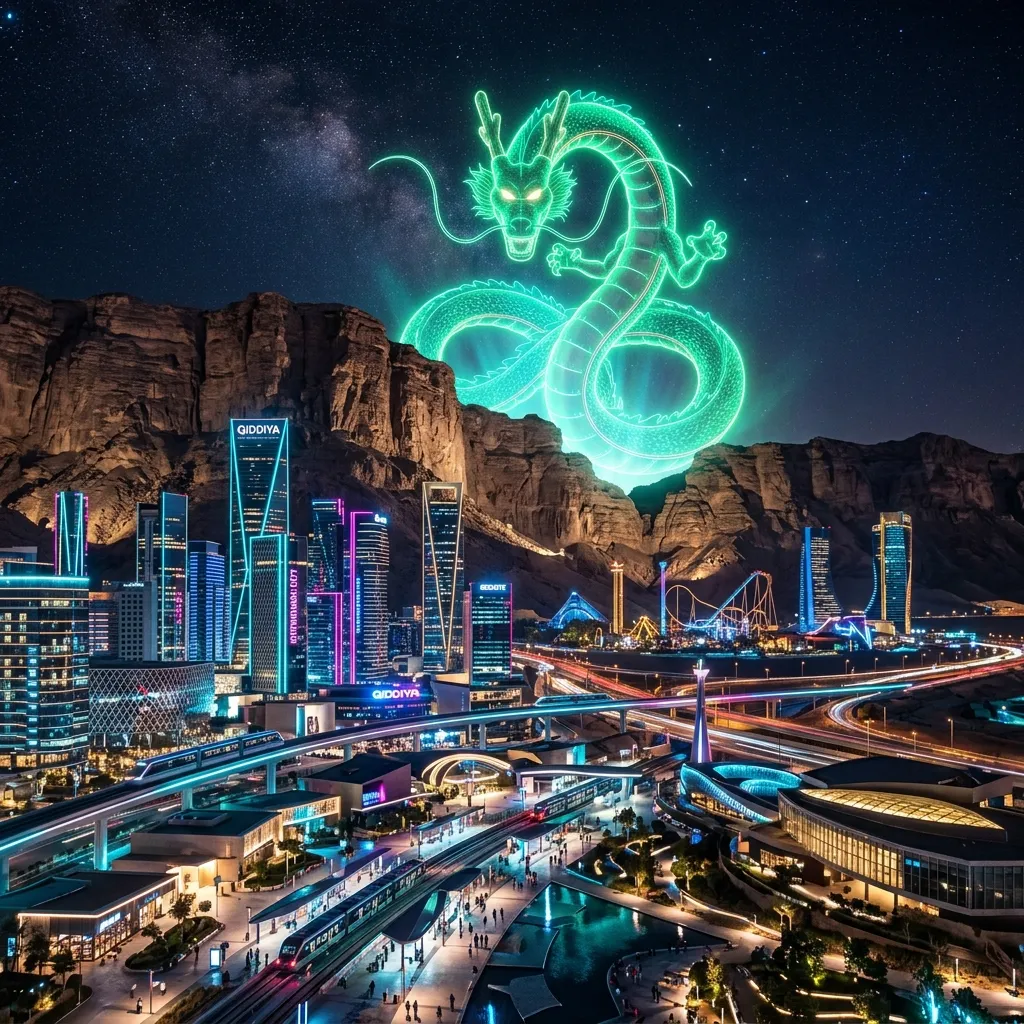
Qiddiya City: The Ultimate Playground for Geeks, Gamers, and Anime Fans
Discover Qiddiya City, Saudi Arabia's upcoming gaming, esports, and entertainment megacity. Home of the world's first Dragon Ball theme park and a massive 500,000 sqm esports district.
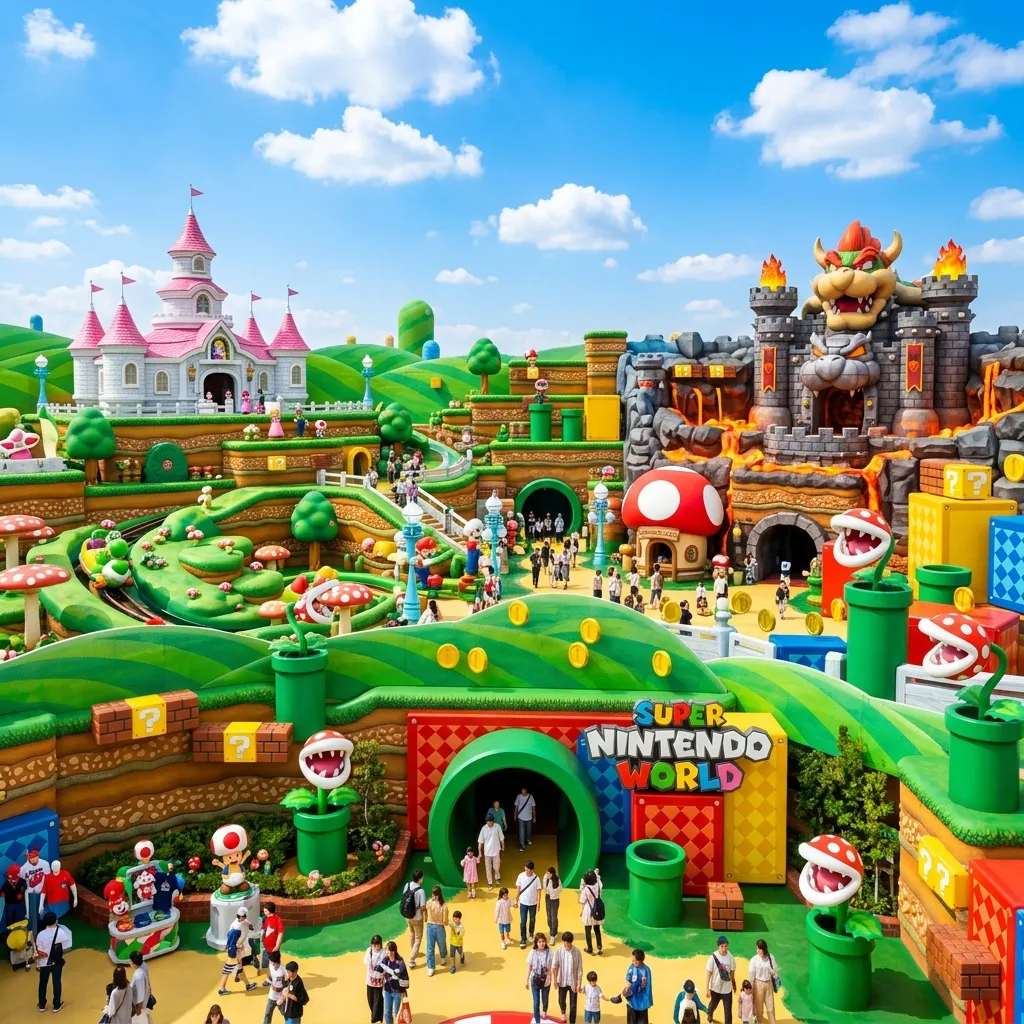
Super Nintendo World: Comparing Osaka, Hollywood, and Orlando
Comparing all three Super Nintendo World locations: Osaka, Hollywood, and Orlando. Discover what makes each park special, from Mario Kart to Donkey Kong Country.
MTG Event Calendar 2027: MagicCons and the World Championship
Wizards revealed the 2027 MagicCon calendar — four festivals across three continents, including the first-ever MagicCon in Japan. Here's your guide to Detroit, Tokyo, Las Vegas and Amsterdam.
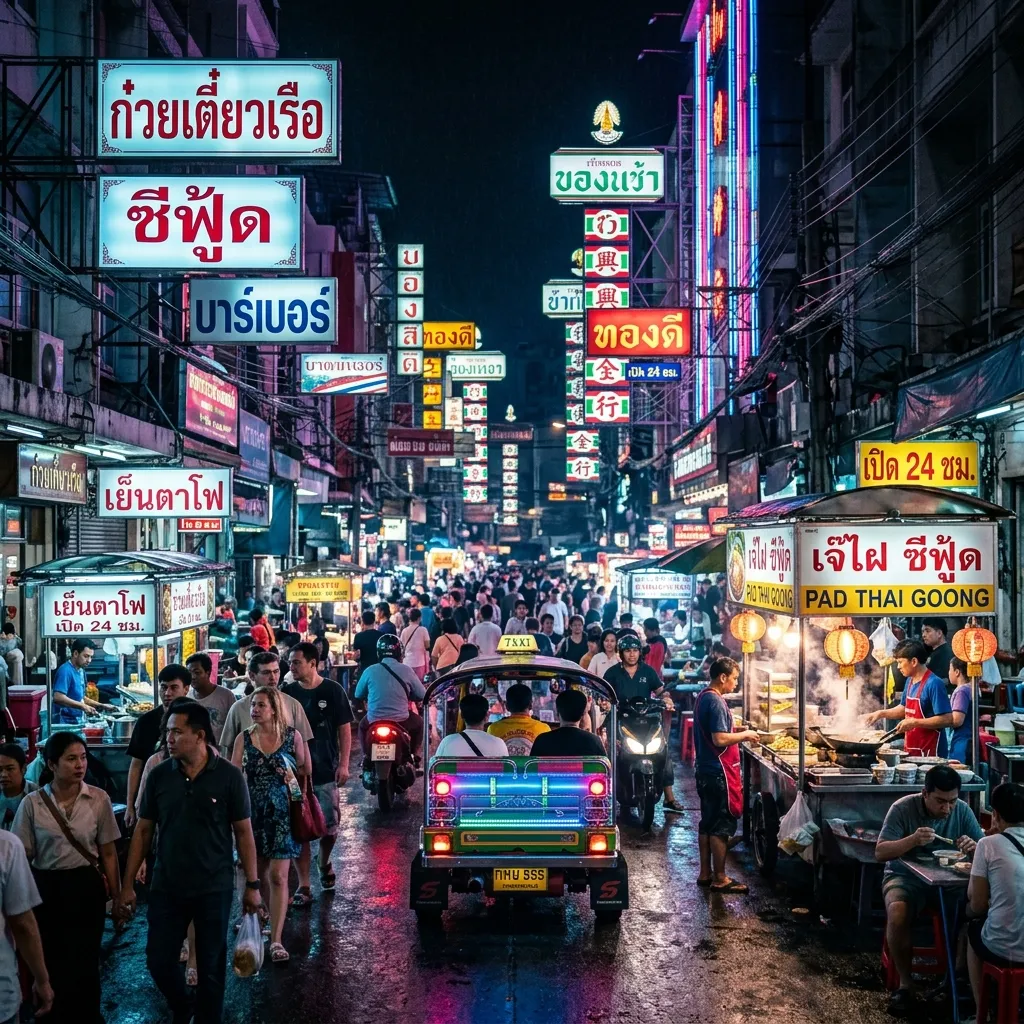
Bangkok for Geeks: Comic Cons, Anime Fests, and Gaming Culture Guide
Bangkok quietly hosts three of Southeast Asia's biggest fan events plus legendary tech markets — here's how to build a geek trip around gamescom asia, Japan Expo Thailand, and AFA Thailand.
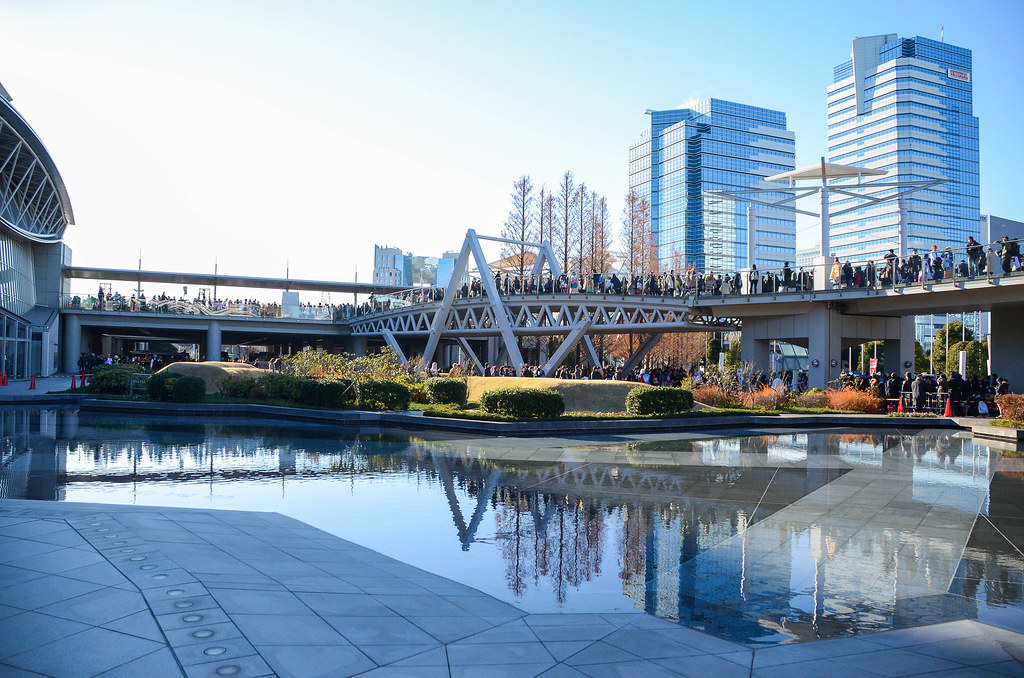
The Biggest Anime Conventions in the World (2027 Guide)
From Tokyo's 750,000-strong Comiket to Anime Expo in LA and Japan Expo in Paris — the biggest anime conventions on Earth, and how to build a trip around each.
Tokyo's Best Trading Card Shops: A Geek's Guide
Tokyo is the trading-card capital of the world. Where to buy, sell and play Magic, Pokémon, Yu-Gi-Oh! and more — from Akihabara's card-shop towers to Nakano's vintage singles.
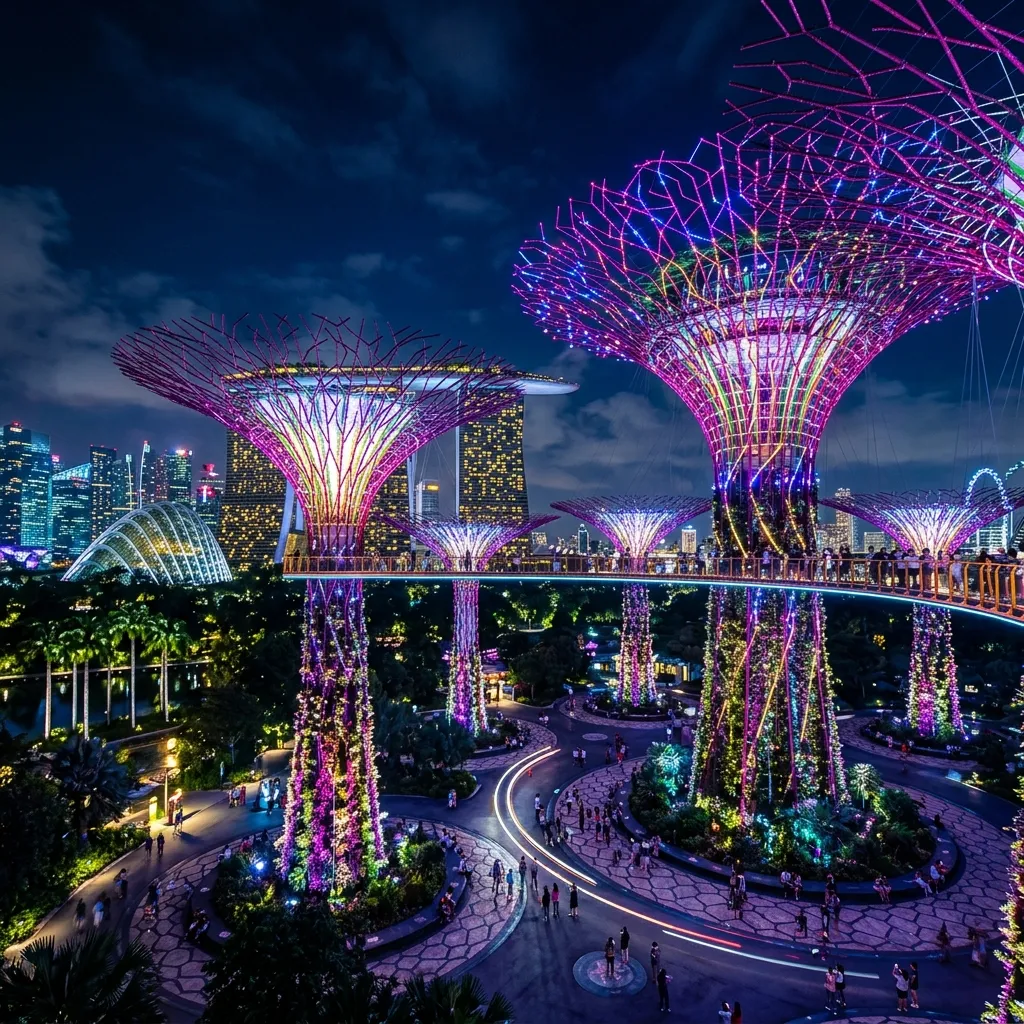
Singapore for Geeks: Pokémon Worlds, Anime Festival Asia & Manga Paradise
Singapore just landed the first-ever Pokémon World Championships outside the US and Japan, plus Southeast Asia's flagship anime con. Here's the complete geek guide to the city.
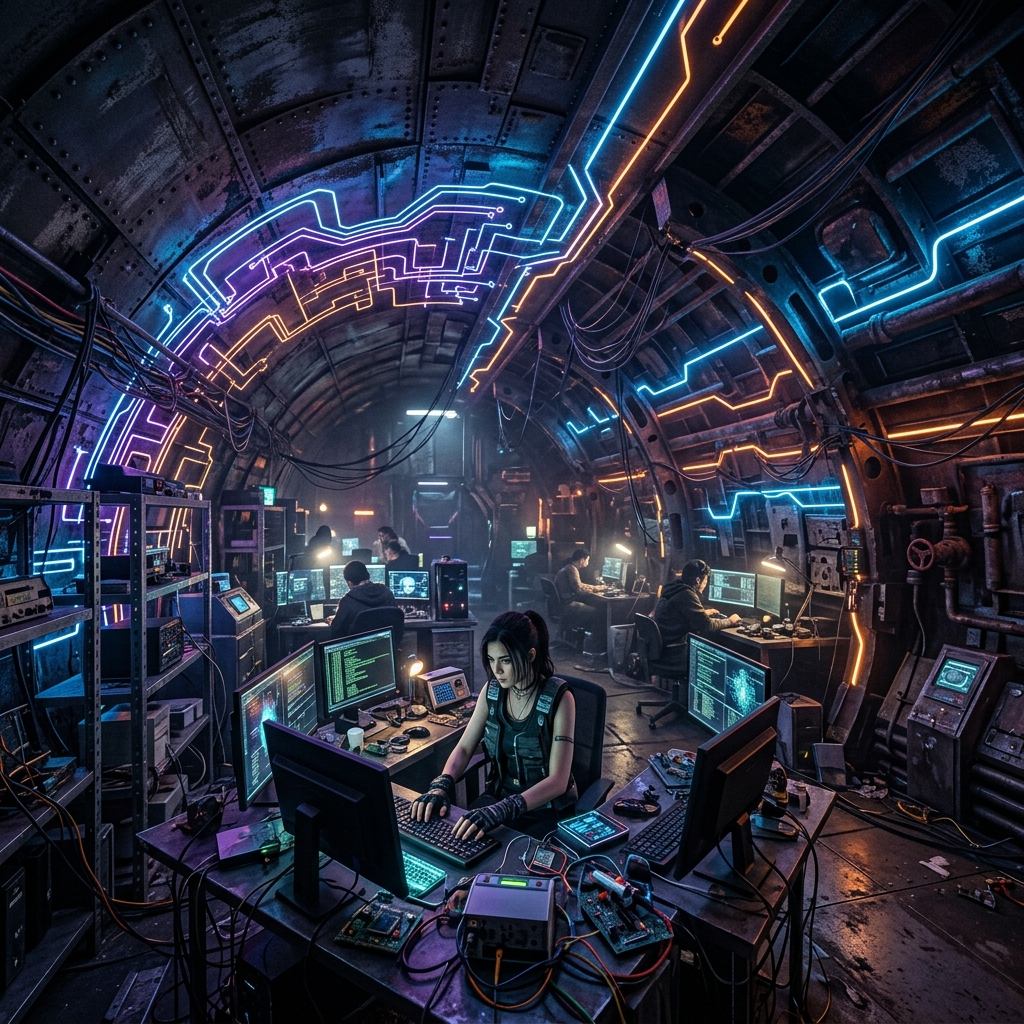
Berlin for Geeks: Anime Messe Babelsberg, Hacker Culture & Retro Gaming History
Berlin's geek scene runs on hacker culture and video-game history, not comic-con spectacle. A guide to Anime Messe Babelsberg, the Computerspielemuseum, and the legendary c-base hackerspace.
Ready to Explore Tokyo?
Your anime pilgrimage awaits. Book your trip, pack an extra suitcase, and prepare for the adventure of a lifetime.
Wander with us
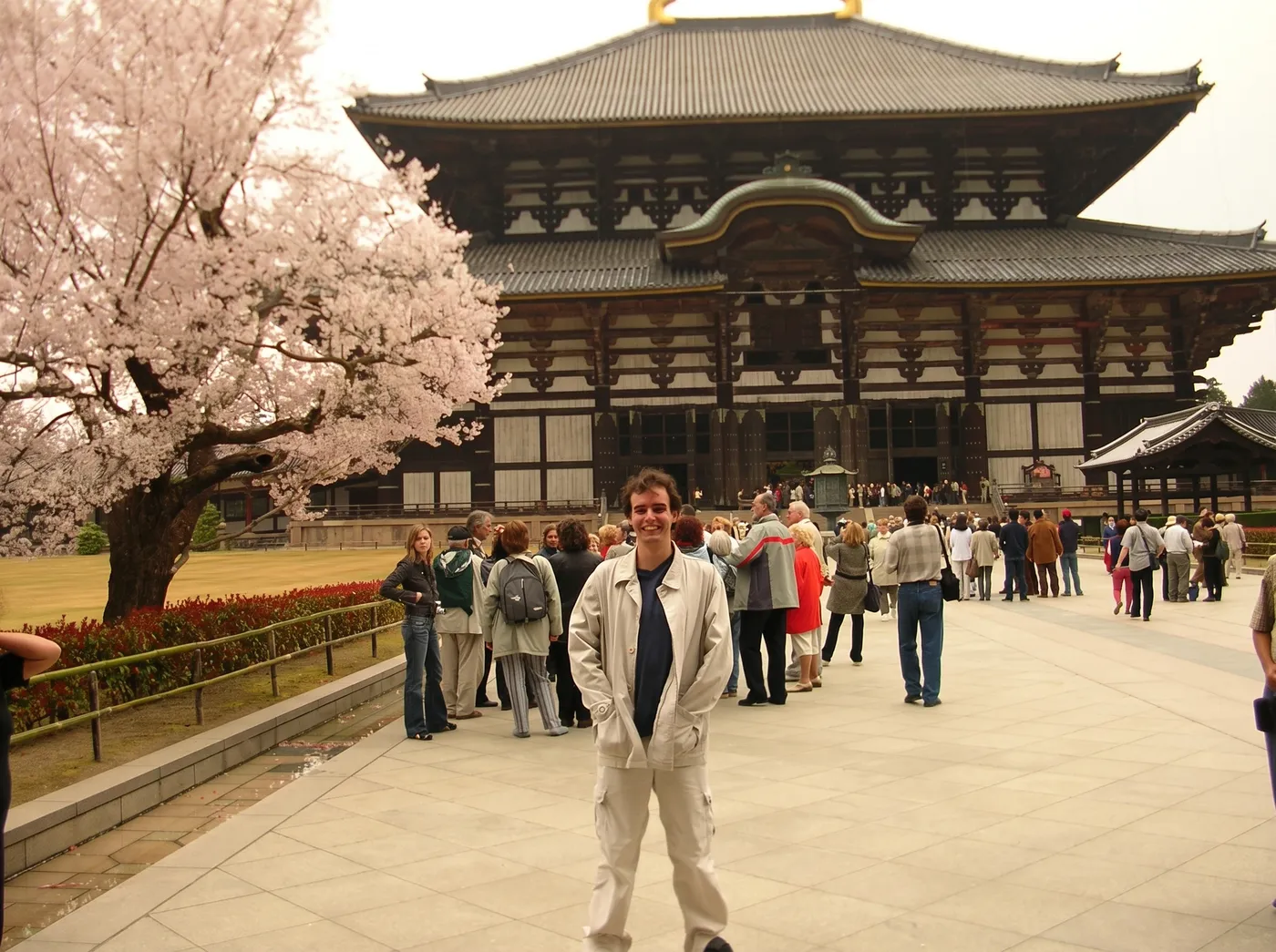
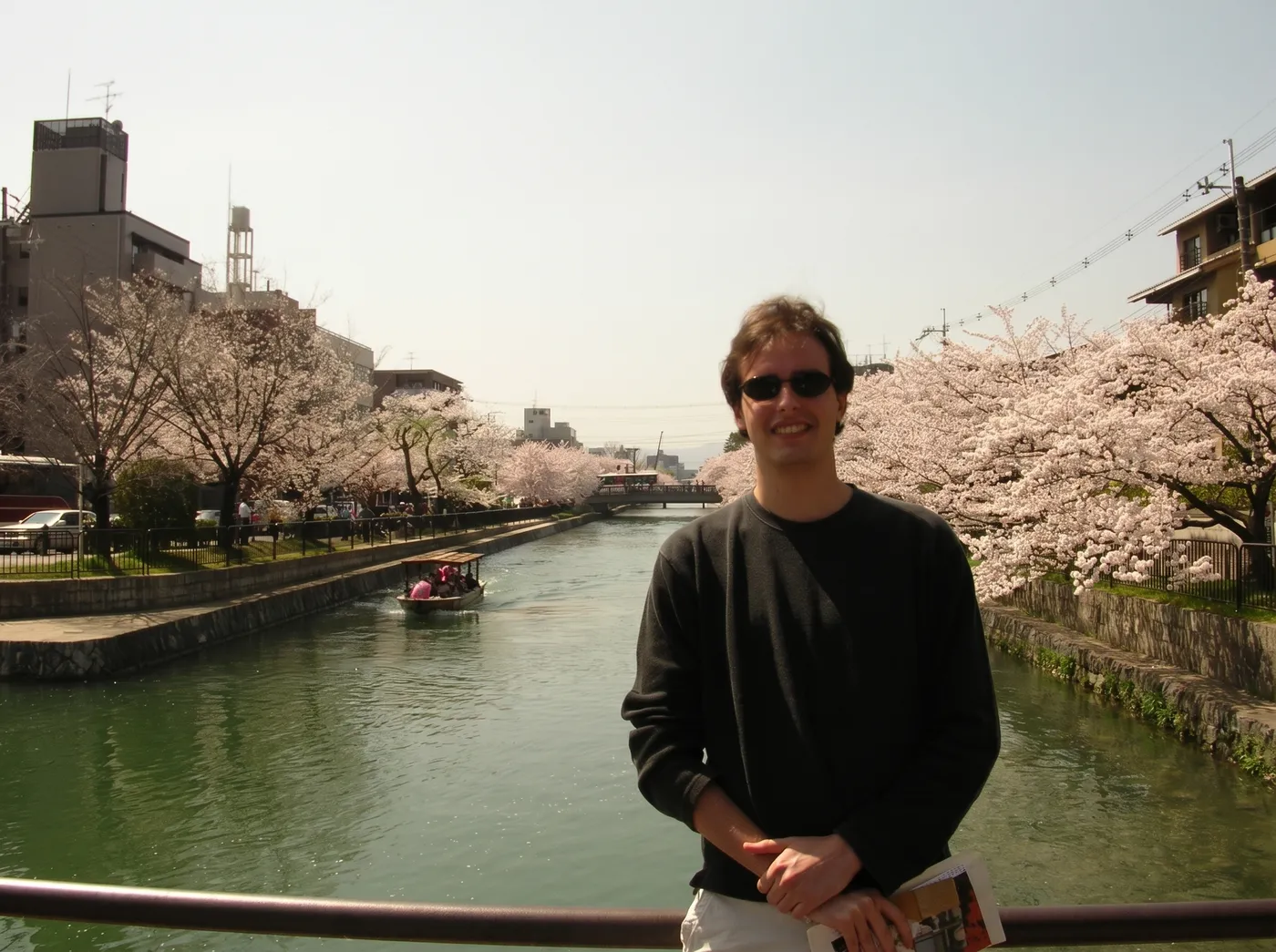
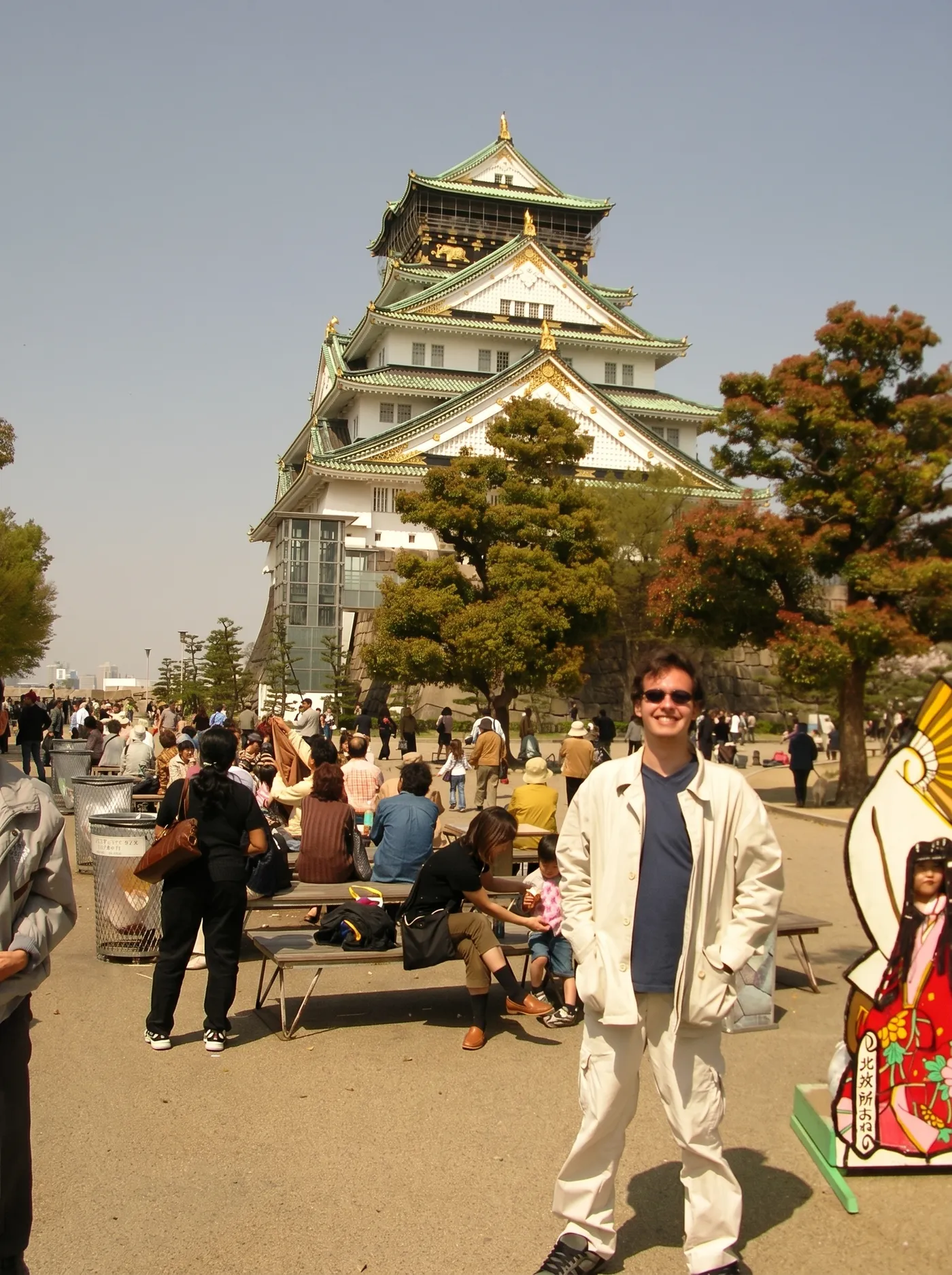
I lost most of my Japan trip photos — these few survivors are from Nara, Kyoto and Osaka.
Book your base in Tokyo
Compare hotels near the action and lock in your stay. Booking early beats the convention-season crunch — and you keep your itinerary flexible.
Affiliate link — we may earn a commission at no extra cost to you.
Build Your Geek Trip with AI
Pick your destinations, dates, and fandoms — our AI planner builds a day-by-day itinerary that blends our curated nerd spots with each city's must-see attractions, complete with maps and travel-smart routing. Your first itinerary is on us.